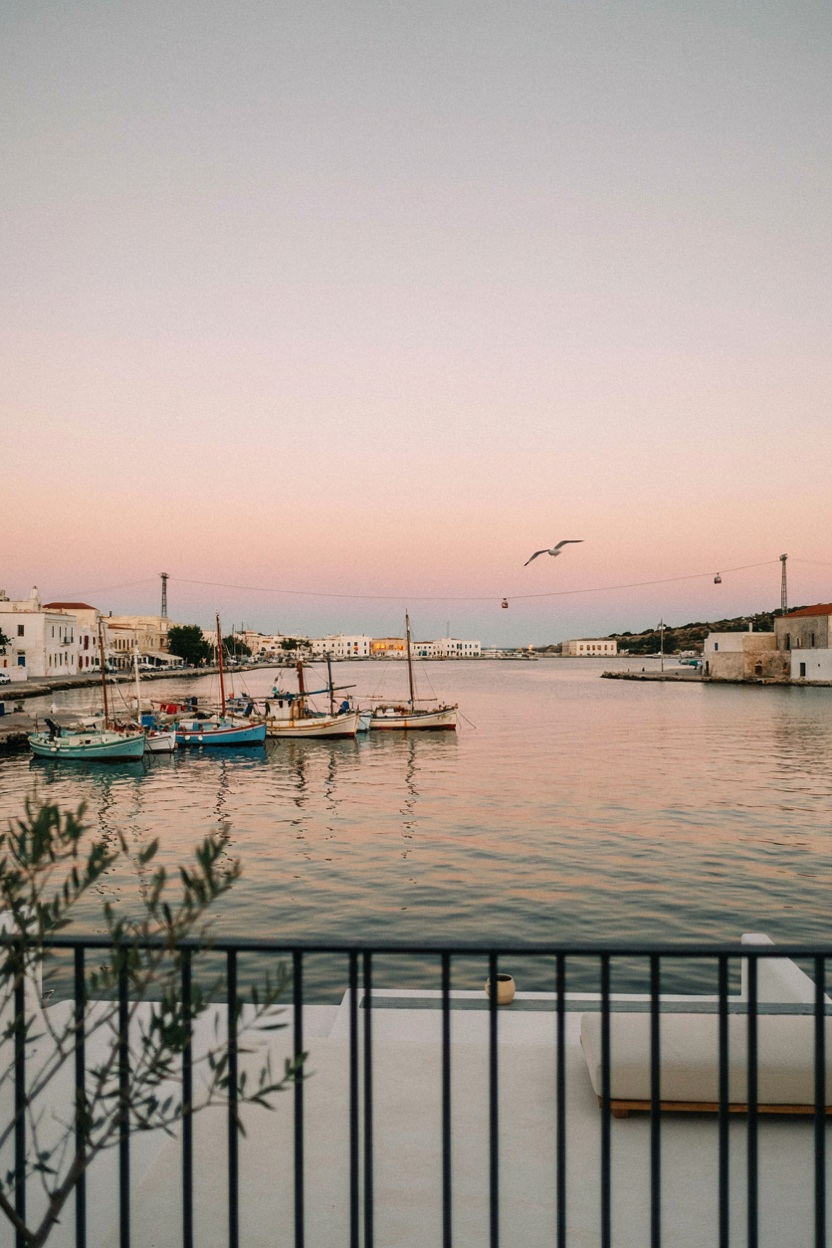
It’s been nearly a decade since I first fell for South Korea, and I’ve returned again and again ever since — sometimes for a quick weekend escape, sometimes unpacking my suitcase for a whole month. I still remember stepping off the plane at Incheon for the first time and noticing that even the air smelled different — that was the moment I sensed this country wasn’t going to let me go. My friends now joke that I “technically live in Korea and just pop back to England now and then.” And honestly? They’re not wrong. This country sparked a real addiction in me: the heavy hush of hanok courtyards, Seoul’s skyline glittering at night, Jeju’s volcanic coastline, and that perfect bowl of bibimbap waiting around every corner. For my fellow aesthetics-obsessed, slightly snobby travel friends who believe every frame should be worthy of a postcard — South Korea is one of the world’s quietest, best-kept secrets in luxury and boutique accommodation. In this post I’m sharing the 8 hotels I’ve personally stayed in, fallen for, and still dream about — along with the enchanting corners of the country that surround them. Pack your bags, because by the end of this list, you’ll be pulling up flight prices.
Josun Palace, Seoul Gangnam – A Korean Fairytale Hidden in the Sky
I come back to Seoul again and again, always falling for its energy anew, but the moment I stepped into the 25th-floor lobby of Josun Palace in Gangnam, I felt like I’d been teleported to another point in time entirely. Gilded gold details, sharp geometric lines, mid-century elegance — all of it coming together in one pure postcard scene. Floating on my back in the heated 26th-floor indoor pool while watching the skyscraper silhouette outside, I felt, I’ll admit it, like the lead character in a Korean drama. But what truly captivated me wasn’t the spectacle at all — it was the way morning light slipped through the glass and slowly turned the room gold. I don’t know anyone who could see that view and not just stand there in silence.
I landed at Incheon International Airport early in the morning, and the ride into the city took about an hour — but the moment I walked through Josun Palace’s doors, my exhaustion was left right there at the threshold. I stayed four nights, spending my days caught up in the city’s rush and my evenings retreating into the hotel’s calm. I wandered aimlessly through the narrow lanes of Bukchon Hanok Village, got goosebumps watching the ceremonial changing of the royal guards at Gyeongbokgung Palace, lost hours browsing Gangnam’s glittering storefronts — especially getting hooked on the handmade paper goods at one concept stationery shop — and savored the most refined side of contemporary Korean cuisine at Eatanic Garden on the 36th floor.

Location: Gangnam-gu, Seoul | Size: 254 rooms | Vibe: Elegant, modern, sophisticated
My personal highlights I’ll never forget…
“The hanwoo (Korean beef) plate that arrived at Eatanic Garden — thinly sliced and drizzled with a subtly sweet Korean pear sauce — was, without exaggeration, the most refined dish of meat I’ve ever eaten.
The hotel’s signature scent, “Lasting Impression,” which greeted me at check-in, is still lodged in my memory; whenever I catch a whiff of it, I feel like I’m walking back into that lobby, coming home.”
Rakkojae Seoul – A 130-Year-Old Hanok Dream in the Heart of Bukchon
Wandering the maze-like alleys of Bukchon Hanok Village, I stumbled upon Rakkojae Seoul and it stopped me dead in my tracks. The moment I stepped into the courtyard, I held my breath for a few seconds, as if speaking out loud would break the silence. This 130-year-old traditional hanok was restored by a master carpenter recognized as a Korean National Human Treasure; its courtyard, wrapped by three separate hanok structures, feels like a scene where time deliberately slowed down. Wooden beams, sliding doors covered in hanji paper, a tiny garden tucked in one corner of the courtyard — put it all together, and the noise of modern Seoul feels miles away.
I arrived by taxi just twenty minutes after leaving Josun Palace, yet it felt like I’d slipped off the timeline entirely and landed on a different page. I stayed two nights and savored every second of the contrast. I took part in a traditional tea ceremony, made kimchi with my own hands using napa cabbage and gochugaru chili flakes in the hotel’s small workshop, surrendered to the heavy heat of a traditional mud sauna, and watched Namsan Tower from Bukchon’s hillside in the evening light.
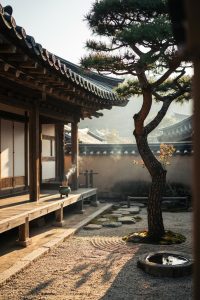
Location: Bukchon, Jongno-gu, Seoul | Size: 3 hanok structures, limited rooms | Vibe: Calm, authentic, nostalgic
My personal highlights I’ll never forget…
“Leaving the kimchi I’d made with my own hands to ferment in the hotel’s traditional storage cellar was the moment I felt closest to the soul of Korean cuisine.
Sleeping on a traditional mattress laid over heated ondol flooring felt a little strange the first night, but by dawn I’d grown so fond of that rising warmth that I now catch myself looking for it in every hotel room since.”
Gaeunchae, Jeonju Hanok Village – A Courtyard Poem in Korea’s Culinary Capital
The moment I set foot in Jeonju, I instantly understood why this city is known as both a “slow city” and the culinary heart of Korea. The smell of grilled meat and fermented soybean drifting through the streets had my appetite roaring before I’d even tasted a bite. Walking through the narrow lanes lined with more than 700 traditional hanok structures, I came across Gaeunchae’s understated but elegant courtyard and fell for it on the spot. Curved tiled roofs, heavy wooden gates, a tiny patch of greenery tucked in the courtyard’s corner — I didn’t even need to reach for my camera; my eyes were framing the shot on their own.
I hopped on the KTX high-speed train from Seoul and reached Jeonju in about an hour and a half; I stayed two nights, though I found myself wishing I’d stayed longer as I left. I rented a hanbok in the stone-paved streets of the Hanok Village and spun in front of the mirror like a kid trying one on for the first time, sat for a long while in the quiet of Gyeonggijeon Shrine — wondering why I felt so still there, perhaps sensing the footsteps of everyone who’d walked those grounds centuries before — joined a makgeolli tasting at the Jeonju Korean Traditional Wine Museum, and lost myself in the crowds of the city’s famous night market.

Location: Wansan-gu, Jeonju, Jeollabuk-do | Size: Small hanok complex | Vibe: Authentic, peaceful, gastronomic
My personal highlights I’ll never forget…
“The legendary Jeonju-style bibimbap I had at a local restaurant — fresh mung bean sprouts, finely julienned vegetables, and that signature gochujang sauce — sealed my devotion to this city all over again.
Sipping a cold bowl of makgeolli in the hotel courtyard that evening, surrounded by the sound of crickets, is something I still hear whenever I close my eyes.”
Hilton Gyeongju – In the Shadow of a Thousand-Year Kingdom on Lake Bomun
The moment I arrived in Gyeongju, I understood immediately why this city is called the “museum without walls.” Settling into my room overlooking Lake Bomun at Hilton Gyeongju, the sunset melting over the lake through the glass genuinely took my breath away. I just watched, silent, for a few minutes. Polished wood furniture, crisp white linens, understated elegance — the contrast between the room’s quiet minimalism and the silhouettes of ancient temples visible through the window was strange, but strikingly beautiful.
I landed at Busan Gimhae Airport, then took a train that got me to Gyeongju in about an hour and a half. I stayed three nights, and each day felt like a journey into a different era. I wandered Bulguksa Temple’s stone steps trailing the scent of incense, gasped for breath climbing the steep path up to Seokguram Grotto, cycled around Cheomseongdae Observatory, and lost hours browsing the charming shops of Hwangridan-gil.

Location: Bomun Tourist Complex, Gyeongju | Size: Large-scale 5-star hotel | Vibe: Elegant, historic, tranquil
My personal highlights I’ll never forget…
“The hwangnam-ppang I tried at a tiny café on Hwangridan-gil — a small, warm bun filled with red bean paste — struck the perfect balance between sweetness and earthy depth.
Watching the sunset melt over the lake from the hotel terrace, feeling like I was sitting in the shadow of a thousand-year-old kingdom, left a deep ache in my chest.”
Rakkojae Hahoe Hanok Hotel, Andong – A 600-Year-Old Village Where Time Forgot to Move
Calling Andong “the most Korean city in Korea” isn’t an exaggeration — I can say that firsthand. The second I stepped through the entrance, I heard the wind humming between the roof tiles, accompanied by a distant birdsong. When I laid eyes on Rakkojae Hahoe Hanok Hotel, standing at the threshold of the UNESCO World Heritage-listed Hahoe Village, I was completely frozen by its palatial architecture. This complex, scattered with authentic artifacts from the Silla, Goryeo, and Joseon dynasties, combined with the view of the Nakdong River and Buyongdae Cliff, made me feel like I’d fallen straight into a page torn from a history book.
I rented a car in Gyeongju and made the pleasant hour-and-a-half drive to Andong, where I stayed two nights. I wandered the streets of Hahoe Village without any destination, got swept up in the drumbeat and swirling costumes of a traditional mask dance performance, felt time itself come to a stop in the stillness of Byeongsan Seowon Confucian Academy, and let the heavy, earthy heat of the hotel’s mud sauna draw every ounce of tiredness out of my muscles.

Location: Pungcheon-myeon, Andong, Gyeongsangbuk-do | Size: Boutique hanok complex | Vibe: Authentic, calm, historic
My personal highlights I’ll never forget…
The Andong jjimdak I had at the hotel’s restaurant — chicken and vegetables slow-braised in a sweet-salty soy sauce — is the region’s proudest dish, and I ordered a second helping the moment I finished the first.
Watching the Nakdong River curl protectively around Hahoe Village from Buyongdae Cliff, I truly felt time had stopped there.
Park Hyatt Busan – A Chic Love Letter to a Port City on Haeundae Beach
Every time I arrive in Busan, I fall for its energetic port-city spirit all over again. Settling into my room at Park Hyatt Busan, overlooking Haeundae Beach and Gwangan Bridge, I couldn’t take my eyes off the deep blue of the sea reflected in the glass. Watching the city’s night lights from the 32nd-floor restaurant left me with a strange sense of peace, almost a happiness tinged with melancholy — an unforgettable postcard moment.
I took the KTX from Seoul and reached Busan in about two and a half hours; I stayed three nights, and each day was spent discovering a different face of the city. I lost myself in the rainbow-painted streets of Gamcheon Culture Village spilling down the hillside like a painted amphitheater, walked for ages along Haeundae Beach as the salty sea breeze tousled my hair, dove into the lively chaos of Jagalchi Fish Market, and cycled freely along the seafront.
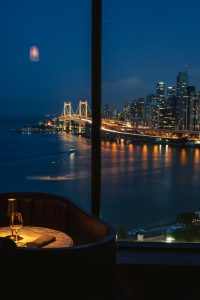
Location: Haeundae, Busan | Size: High-rise luxury hotel | Vibe: Energetic, chic, ocean-view
My personal highlights I’ll never forget…
The dwaeji gukbap I had at a small restaurant near Jagalchi Fish Market — a warm, hearty pork and rice soup that captures Busan’s working-class soul — warmed me right down to my bones.
Watching Gwangan Bridge slowly light up from the hotel’s 32nd floor is one of the most mesmerizing city views I’ve ever seen.
Grand Josun Jeju – A Tropical Escape on a Volcanic Island
Every time I return to Jeju Island, I’m struck all over again by how different this volcanic paradise feels from the rest of Korea. Stepping out of Seoul’s grey, damp air into Jeju’s crisp, salty blue, my lungs felt like they expanded on the spot. Settling into Grand Josun Jeju in Seogwipo, the hotel’s sprawling gardens and ocean-facing terraces felt like a breath of fresh air. Palm trees, volcanic rock formations, turquoise sea — the tropical warmth of the palms and the rugged Korean spirit of the volcanic stone existed together, side by side.
I flew a domestic route from Seoul and reached Jeju in about an hour; I stayed four nights and settled into a rhythm of my own — mornings out in nature, evenings given over to rest. I hiked, breathless, to the top of Seongsan Ilchulbong, walked along the basalt columns of Jusangjeolli, shivered in the darkness of Manjanggul Lava Tube, and felt the knots in my shoulders melt away one by one under hot volcanic stones during a spa treatment at the hotel.

Location: Seogwipo, Jeju-do | Size: Large-scale luxury resort | Vibe: Tropical, tranquil, exotic
My personal highlights I’ll never forget…
The heuk-dwaeji (Jeju’s famous black pork) I grilled and tasted on the island — smoky, rich, deeply layered — proved to me once again why it’s the island’s most special dish.
Watching the sunrise from the top of Seongsan Ilchulbong as the ocean slowly turned orange is a scene I know I’ll never forget.
The MVL Hotel Yeosu – A Hidden Sea Pearl on the South Coast
Yeosu is a quiet port city that barely makes it onto most travelers’ maps — yet it completely stole my heart. I’ll admit it: I felt like I’d found somewhere no one else knew about. Walking into my sea-view room at The MVL Hotel Yeosu, the colors spilling across the harbor through the glass wrapped around me all at once. The hotel’s clean, modern architecture matched perfectly with the city’s slightly melancholic yet peaceful spirit — the fishing boats rocking gently in the evening light summed up that duality perfectly.
I drove from Busan and reached Yeosu in about two and a half hours; I stayed two nights, though I wished for more time in the city’s quiet. On Odongdo Island, I walked beneath crimson camellia blossoms with their faint sweet scent hanging in the air, felt a shiver run through me watching the city’s panorama unfold from the Yeosu Maritime Cable Car, took a brief journey into history at Jinnamgwan Pavilion, and watched the harbor lights reflect on the water from the night cable car.
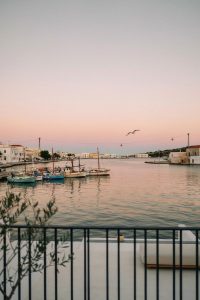
Location: Yeosu, Jeollanam-do | Size: Boutique-style mid-size hotel | Vibe: Calm, romantic, sea-scented
My personal highlights I’ll never forget…
The dolgejang I had at a small harborside restaurant — raw crab marinated in soy sauce — with its bold salty-sweet balance, was one of the most daring yet unforgettable Korean flavors I’ve ever tried.
Watching Dolsan Bridge’s lights flicker on one by one at sunset from the Yeosu Maritime Cable Car rekindled my love for this quiet city all over again.